




















Your smartphone is now the digital "control centre" of everyday life: alarm clock, navigator, wallet, camera and pocket office - all in one device. That's why when your phone... shuts down, the disruption is enormous - work is blocked, contacts disappear and nerves... run red. That's where mobile phone repair comes in: it fixes the damage before you lose photos, appointments and-let's not hide it-your temper.
The most common faults that take your phone off
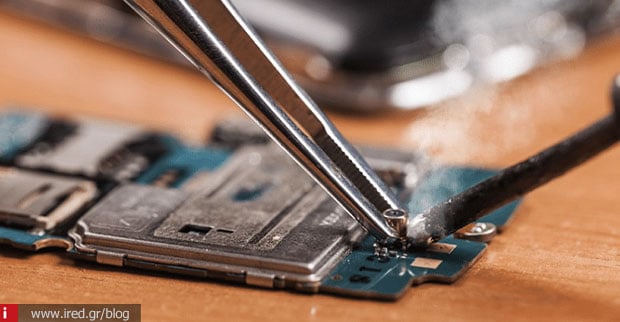
The most common damages that send the mobile for service are the broken screen, the much-used battery, the damaged microphones-speakers and - classically - water that always finds a way to get through the IP seals. Each of these failures makes the repair more expensive if you delay: a small crack becomes a "spider" on the screen, the charging ports fill up with salts, and a "swelling" battery can warp the chassis.
Genuine or compatible spare parts: what is - in the end - the difference?
When the time comes for mobile service, the first dilemma is "original or aftermarket parts?". The right answer depends on the category of your smartphone-iPhone, Samsung or Xiaomi-since each brand has a different logic in terms of price, warranties and software compatibility. Before you proceed to the mobile phone repair, see below which spare parts are worth to stay original and when a quality compatible one is worth it, in order to fix your device economically without sacrificing user experience.
- iPhone - On iPhone models (especially from the X series onwards) an "Important Display Message" pops up if the screen is not authentic, blocking True Tone and Face ID; so in any serious iPhone repair (screen, battery, Face ID, camera) it's worth investing in genuine spare parts, especially in the 14 series and above. The cost, for example, of changing the screen on the iPhone 16 pro max with genuine ones is around 570€ while the top compatible one is around 450€. In this case it is not worth changing with a compatible screen because the purchase value of the phone is at 1659€. But things change as we go to the older models e.g. iPhone 14 where the market value has dropped quite a bit (around 650€). Here the change with an original screen costs around 360€ and the change with HQ screen is around 250€. In this case, it is not worth changing with genuine. Besides, the HQ screens we have at ired are almost identical to the original ones, that even our experienced technicians can't tell the difference. To find a repair for your model click here: https://ired.gr/episkevi-iphone/
Conclusion: Compatible spare parts are suitable for less "sensitive" parts (charging port, speaker, back-glass) where the quality difference is small but the savings are big.
Read also: iPhone 17 Pro: Is it worth it or not? The five "yeses" and five "no's"
- Samsung - Things are different here. Samsung is quite "strict" about the quality of its spare parts that are on the market. The 90% (approximately) of its parts are only genuine and a 10% is compatible. On Galaxy devices with Dynamic AMOLED and integrated fingerprint sensor in the display, such as for example the Samsung Galaxy S24, the genuine display is worth the money (about 400 €) because it maintains the resolution, refresh rate and - most importantly - the fingerprint reliability. At Samsung repair for USB-C or camera ports, a certified premium grade compatible piece does the job for half the price with no tangible loss. So: genuine for displays, batteries and sensors, compatible for "peripherals"; the Samsung mobile service thus gaining in cost-value balance. To find the repair of your model click here: https://ired.gr/episkevi-samsung/
- Xiaomi - Xiaomi's "value-for-money" philosophy continues to be applied to spare parts: in Redmi/POCO an original LCD/OLED screen is around 120 €, while a quality compatible one drops to around 70 €. For Xiaomi repair the original screen is preferable if you keep your phone for a long time or if it has in-display fingerprint (e.g. 11T Pro series). In entry-level models, users often choose a compatible screen, battery or charging port because the overall device value is already low; the brightness/colour difference is small and service costs are almost cut in half. Conclusion: genuine if you want a flagship experience or keep the device, compatible when budget is a constant driver and you're not chasing the slightest detail in quality. To find the repair for your model click here: https://ired.gr/episkevi-xiaomi/
So, when is it worth going to genuine parts and when is it better to go with compatible parts?
Practically, you put genuine if your phone is relatively new or flagship, if you need a perfect camera, Face ID or waterproofing out of the box - investing where an original part keeps the resale value and reputation of your device high. On older models, "second" phones in the family or simple charging ports/speakers, quality-grade compatibles are the smart deal: lower cost, full functionality and decent durability. So you get mobile service with the right balance of cost-benefit without sacrificing reliability.
What ired offers
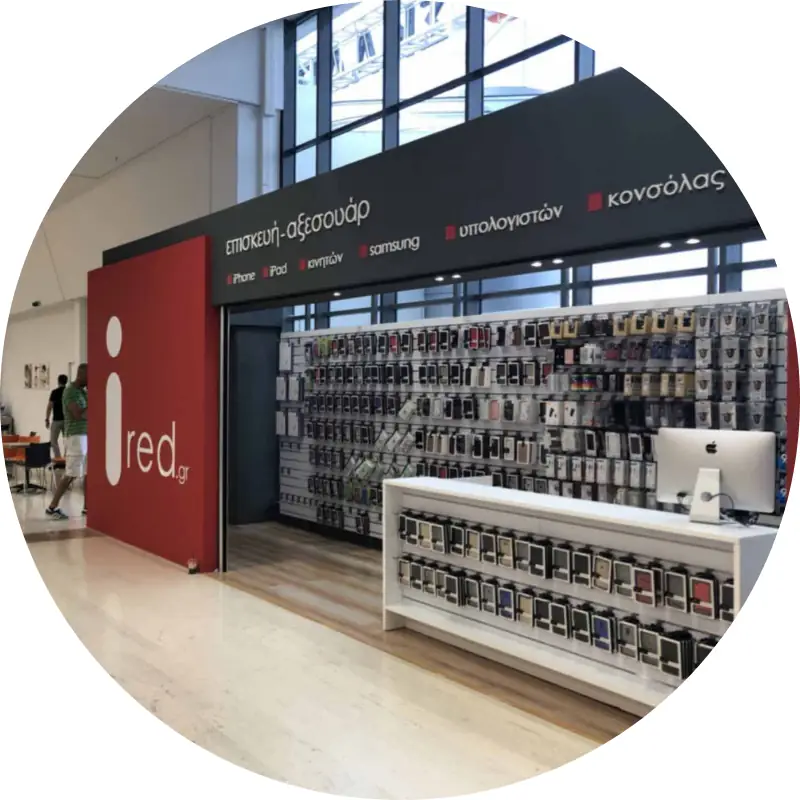
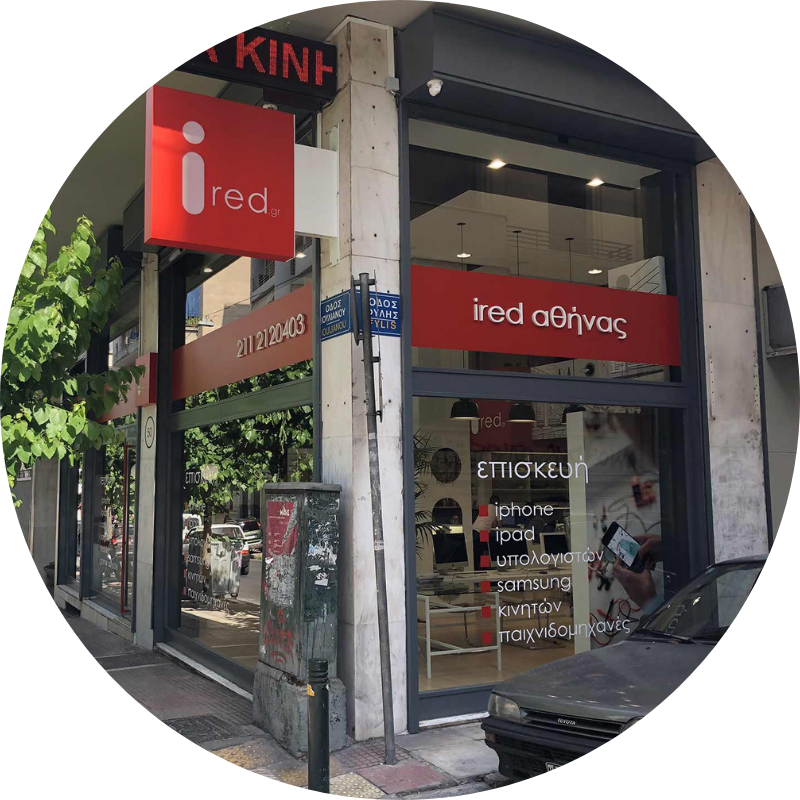
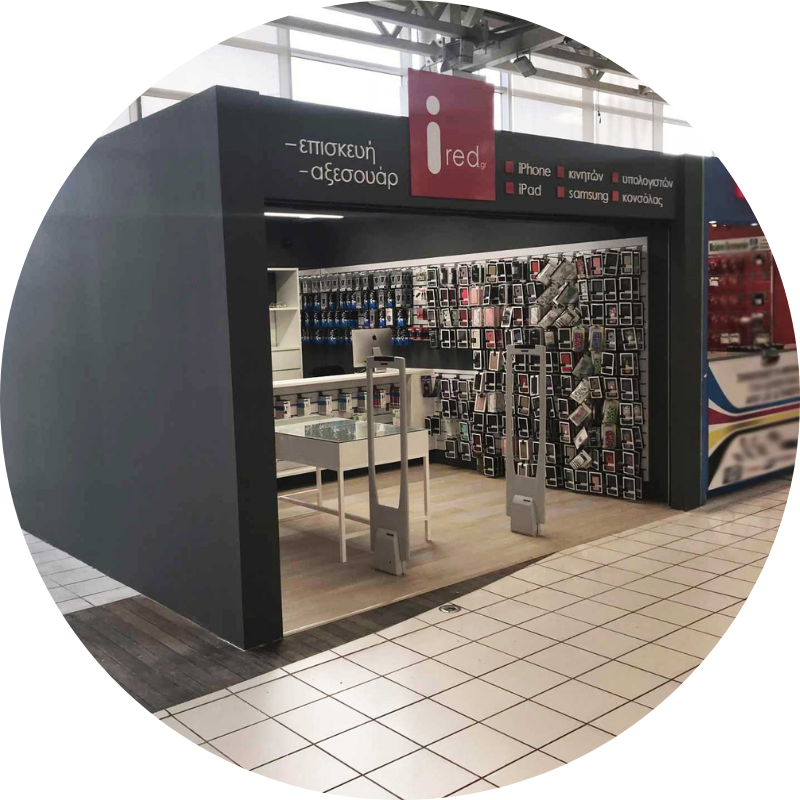
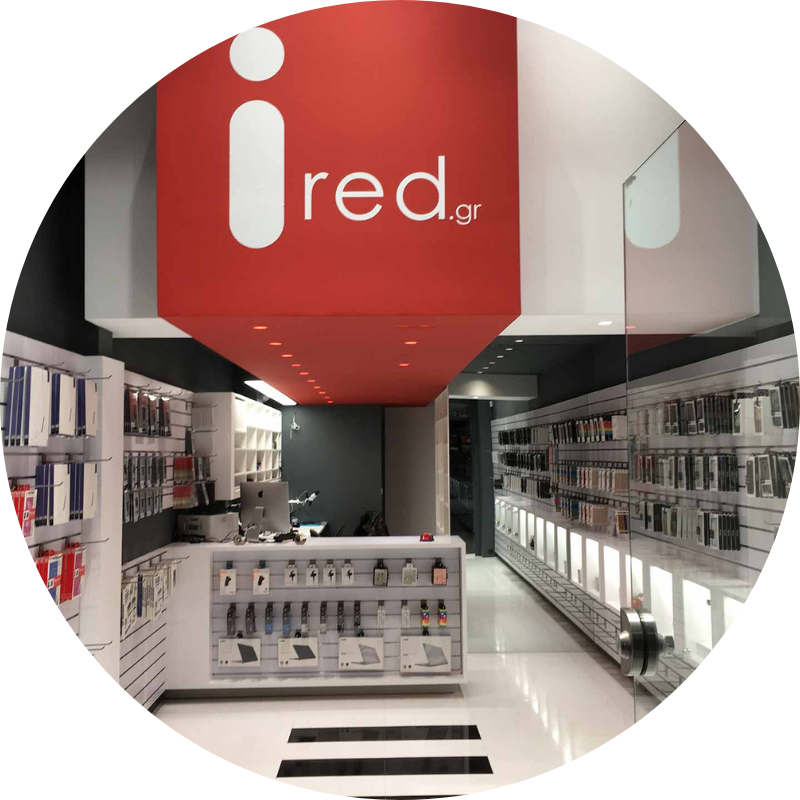
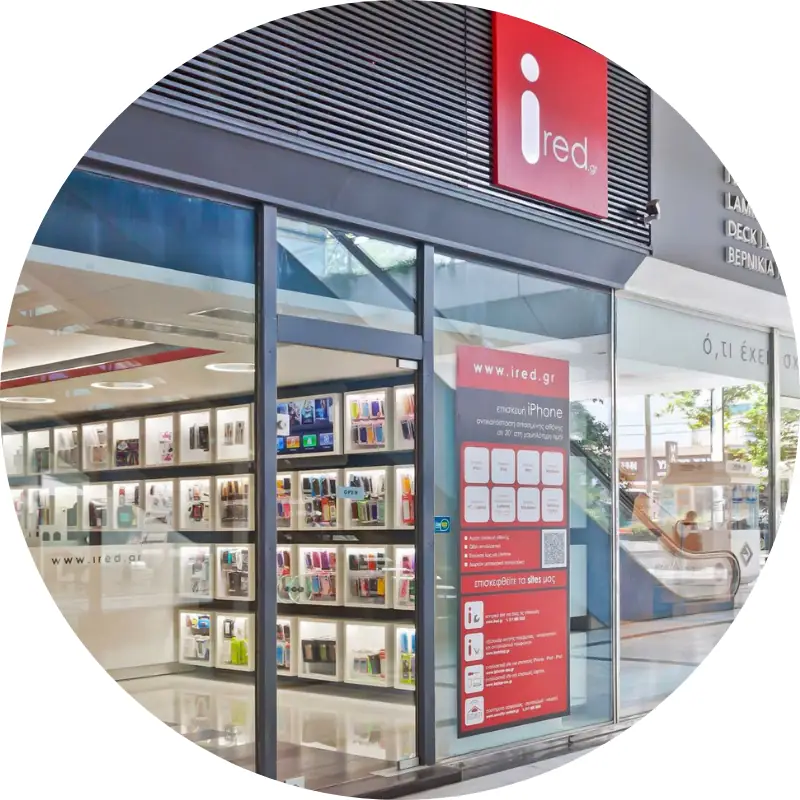
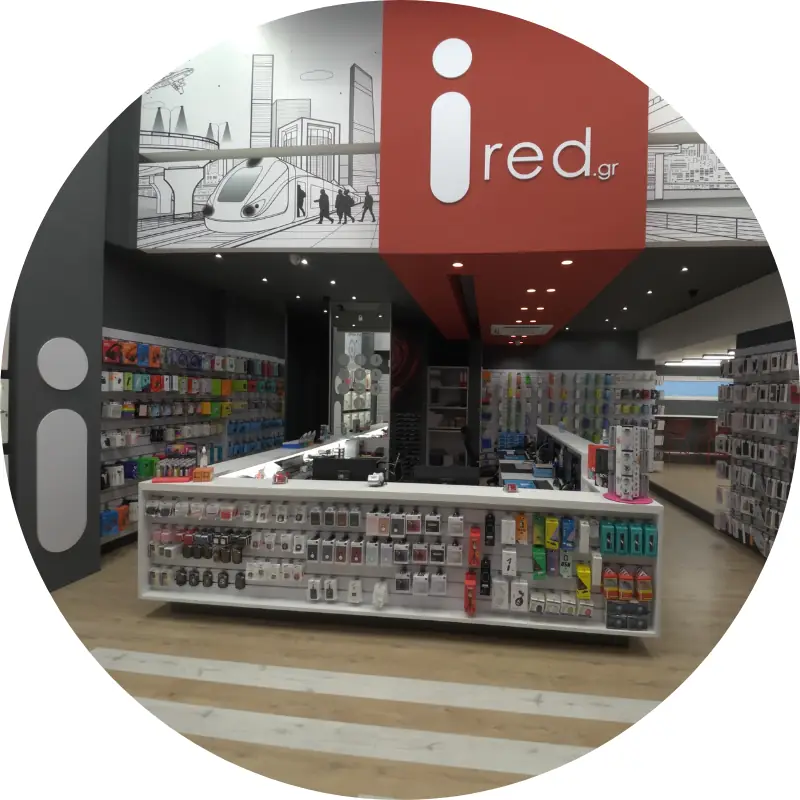
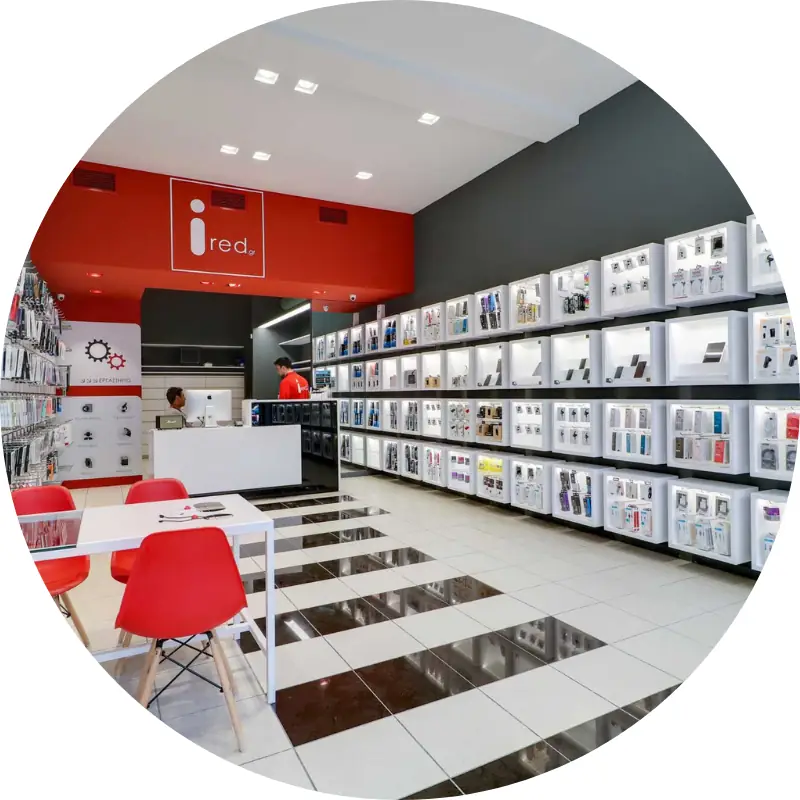
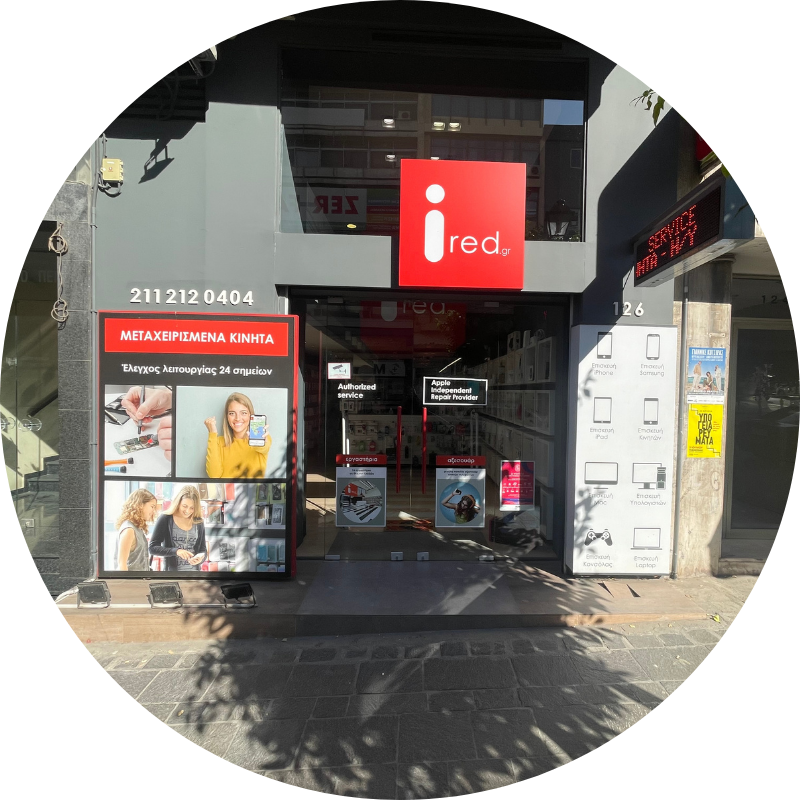
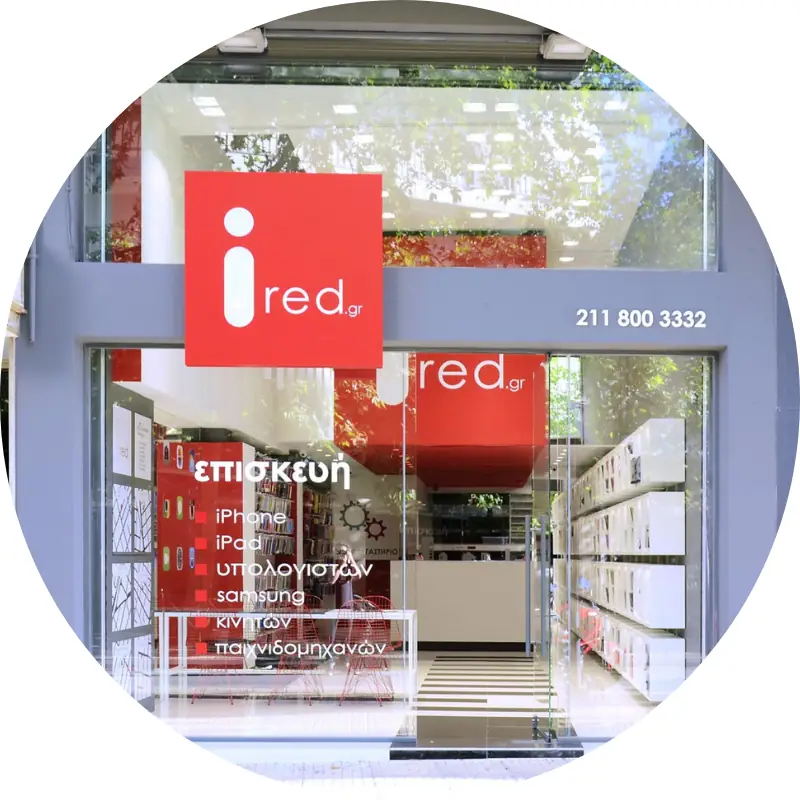
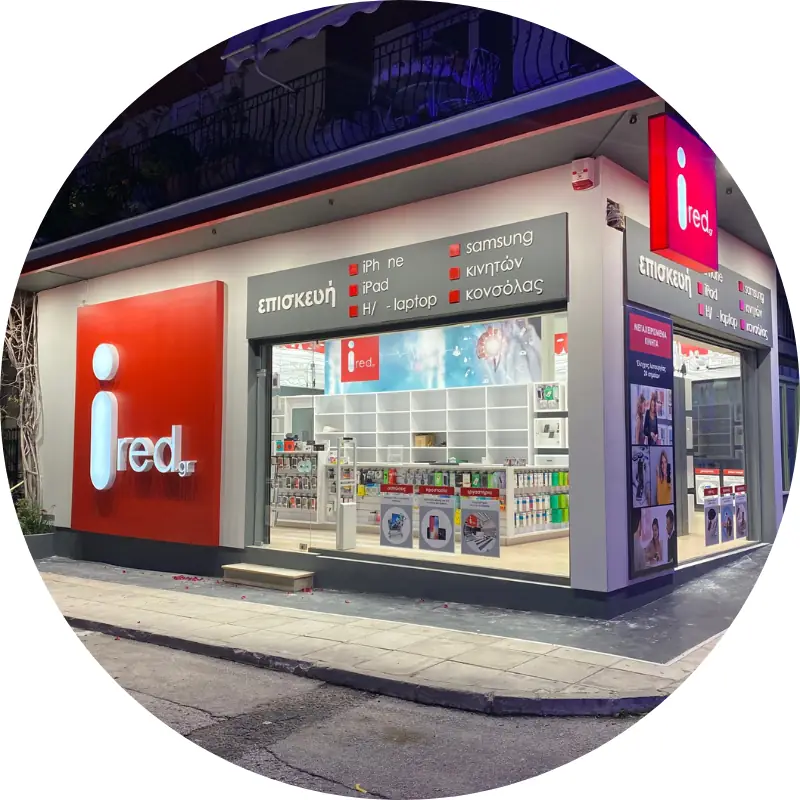
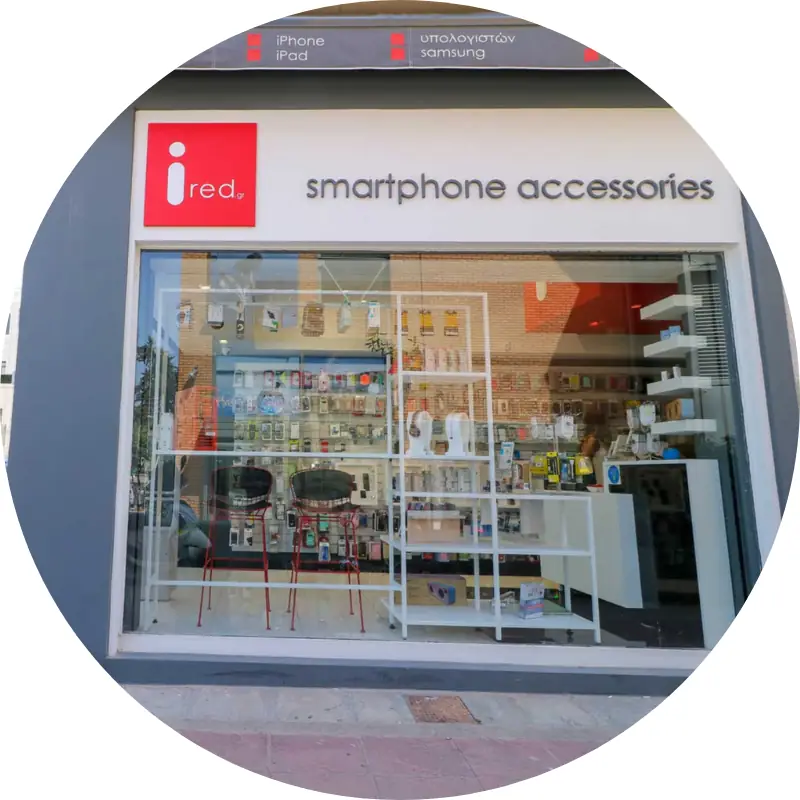
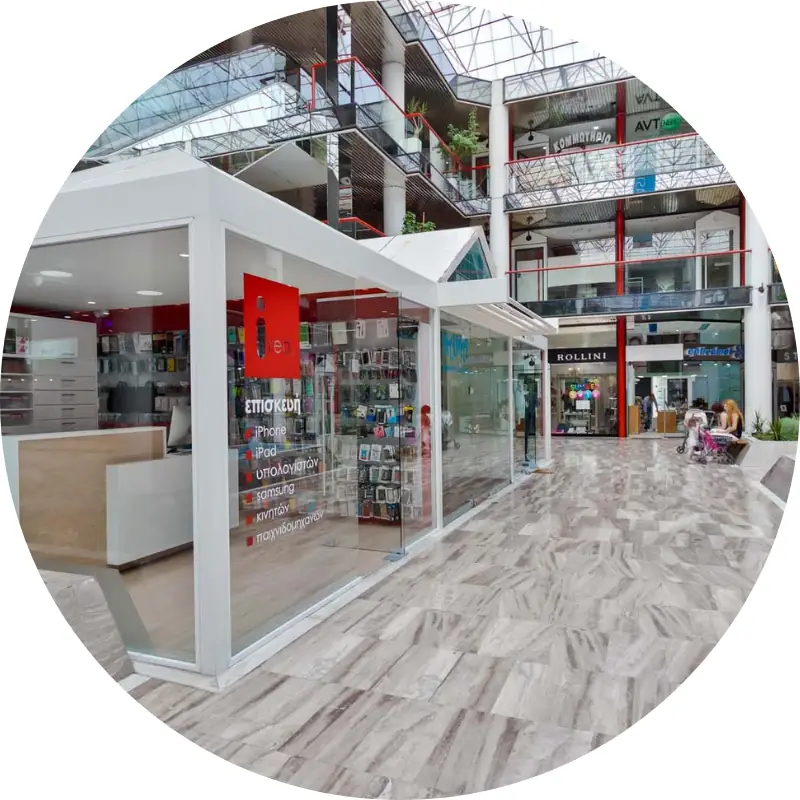
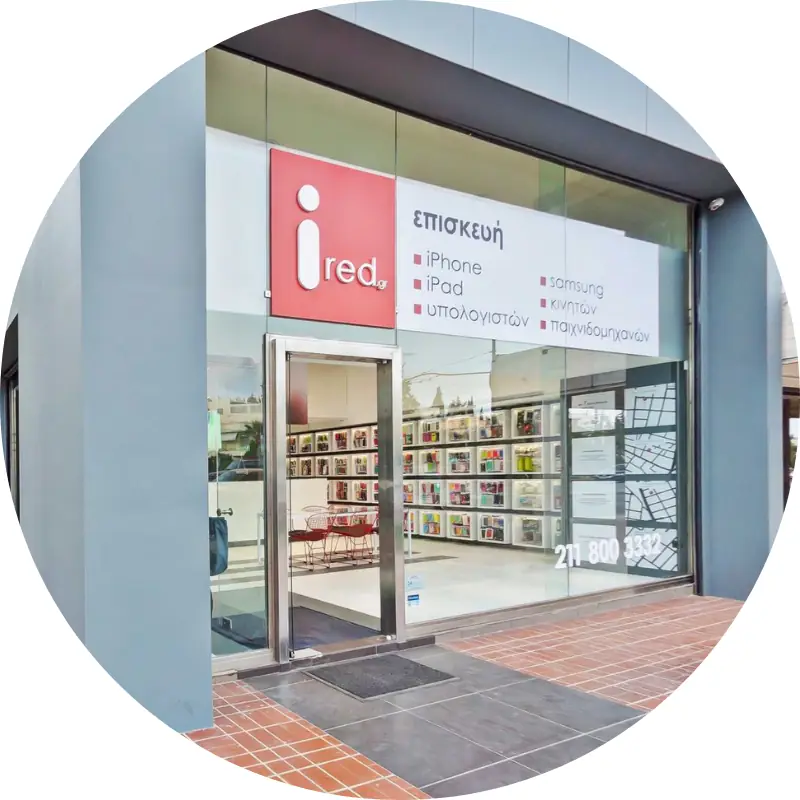
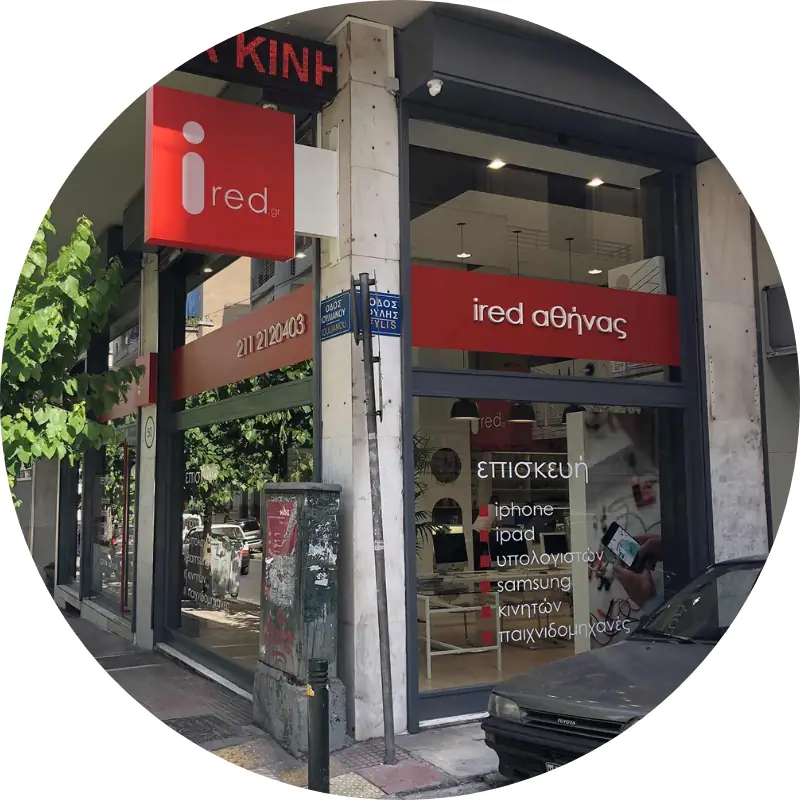
And this is where the ired. With fifteen workshops in Attica, Thessaloniki and Patras, more than two million completed repairs and free 24-point inspection, ired offers same-day repair (20-60′) for screen, battery and minor defects, written warranty on both genuine and HQ spare parts, and free shipping - delivery service throughout Greece within 24 hours. In other words, mobile phone repair in ired becomes an express case, instead of... a marathon without a phone.
ired - The No1 choice for mobile diagnosis & service - only in stores ired!!!
Read also: After the uproar over the "ugly" design, Apple revises iOS 26