



























Smartwatch 2026: Is it worth it or just a gadget? A complete guide to help you decide
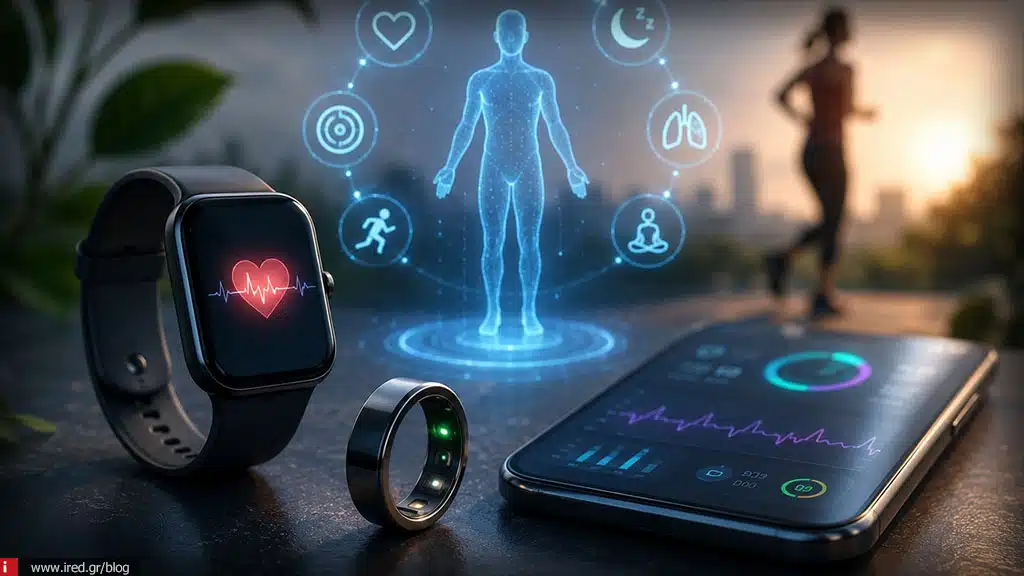
Smartwatches in 2026 have long since ceased to be considered just "another gadget". Now, they have evolved into powerful microcomputers that we wear on our wrist, acting as multi-tools for health, productivity and fitness.
Whether they act as an extension of our smartphone or as standalone devices, their role in everyday life is more essential than ever. In this guide, we'll analyse whether such an investment is worth it for you, looking at every aspect of their technology.
What is a smartwatch today (2026)
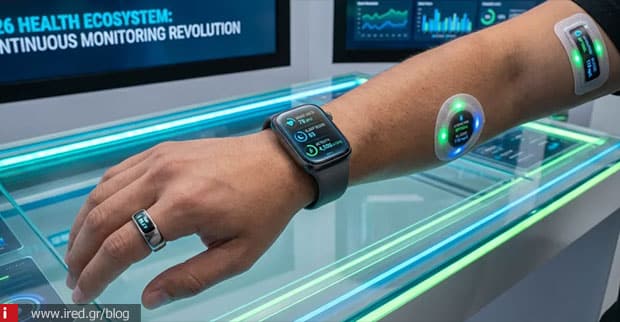
A modern smartwatch is no longer limited to displaying the time or notifications. It is a complete control centre that offers:
- Advanced health monitoring: Measurement of heart rate, atrial rhythm and blood oxygen levels.
- Wellness and recovery: Monitoring of sleep quality, stress levels and metrics for body recovery.
- Ease of transactions: Wireless payments directly from the wrist.
- Autonomy in exercise: Built-in GPS for recording workouts without the need to carry the mobile phone.
- Personalisation: Support for third-party apps, watch face switching and long-term statistical analysis of your data.
How a smartwatch works
Their operation is based on the connection to the smartphone (iPhone or Android) via Bluetooth or Wi-Fi. However, in 2026 many models have cellular connection, allowing them to make calls and exchange data completely independently. The main operating systems that dominate are the watchOS (Apple), the Wear OS (Google/Samsung) and the One UI Watch. The basic philosophy remains that the watch complements the smartphone, offering direct access to health sensors and calendar notifications or alarms.
Smartwatch & Health: What they can measure today
Health sensors are the strongest selling point. Features include:
- Cardiac function: Continuous monitoring for arrhythmia detection and electrocardiogram (ECG) capability in selected models.
- Respiratory capacity: Measurement of SpO2 (blood oxygen), which is critical for assessing sleep and fitness.
- Body temperature: It is used to get a more complete picture of the state of the body.
- Sleep quality: Detailed analysis of the phases (light, deep, REM) with improvement tips.
Important Note:
Despite their accuracy, these measurements are indications and not medical diagnoses. For any serious issue, specialist advice is required.
Read also: eSIM 2026 Is it worth leaving your physical SIM?
Do you need a smartwatch? When is it worth it
To decide if the purchase is right for you, consider the following:
Yes, if... | Not if... |
You want detailed fitness insights and daily workouts. | You are not interested in health and activity measurements. |
You want to see notifications without taking out your phone. | You do not want any additional notifications on your body. |
You need reminders about water, sleep and movement. | You see it solely as a piece of jewellery and not as a lifestyle tool. |
Which smartwatches are worth 2026?
Depending on the use, the top options are:
- Premium option (iPhone): The Apple Watch Series 9 stands out for its rich app ecosystem, top-notch tracking and excellent UI.
- Android / Balanced option: The Samsung Galaxy Watch 6 offers perfect biometric tracking, a large screen and very good autonomy.
- Fitness-first: Specialized brands such as Garmin, η Polar and the Fitbit remain the leaders in purely sporting metrics.
- Value-for-money: There are now affordable Wear OS watches that cover all basic health and notification needs.
Smartwatch & daily productivity
Its contribution to the work is remarkable, as it allows:
- Manage notifications: Email and chat previews, as well as quick replies.
- Organization: Calendar alerts for appointments and deadlines, synchronized with Google or Apple services.
- Media Control: Manage music without interrupting your concentration by turning on your phone.
Battery life: what to expect
Battery life has improved significantly, but it depends on the type of device:
- Premium smartwatches: 1-3 days.
- Fitness smartbands: 5-10+ days.
- Budget wearables: 5-14+ days. Factors such as GPS, Always-on display and the frequency of notifications directly affect autonomy.
Problems & troubleshooting
If you experience issues, follow these solutions:
- Connection failure: Reset Bluetooth or restart the app.
- Incorrect measurements: Make sure you wear it correctly and firmly, clean the sensors or upgrade the software.
- Reduced autonomy: Turn off the always-on screen and close applications running in the background.
FAQ - Frequently asked questions about smartwatch 2026
Do I need a smartwatch if I have a smartphone?
No, it is not necessary, but its use greatly improves daily life and health monitoring.
What is the best smartwatch brand?
The choice depends on your phone: For iPhone owners, the ideal choice is the Apple Watch, while for Android users the following are recommended Samsung Galaxy Watch or other devices with Wear OS.
Is it expensive to support a smartwatch?
Usually not, as most software updates and basic services are included in the initial price. However, some advanced fitness metrics (premium fitness metrics) may require a monthly subscription.
What is the lifetime of the device?
A quality smartwatch has a life expectancy 3-5+ years active use, provided it receives regular software updates.
Conclusion
Το 2026, το smartwatch είναι ένα πολύτιμο εργαλείο για την υγεία, το fitness και την παραγωγικότητα. Αν αναζητάτε έναν τρόπο να βελτιώσετε την καθημερινότητά σας και να έχετε καλύτερο έλεγχο της φυσικής σας κατάστασης, η αξία του είναι αδιαμφισβήτητη. Βρείτε μεταχειρισμένα smartwatch της ired και κάντε την επιλογή σας τώρα!
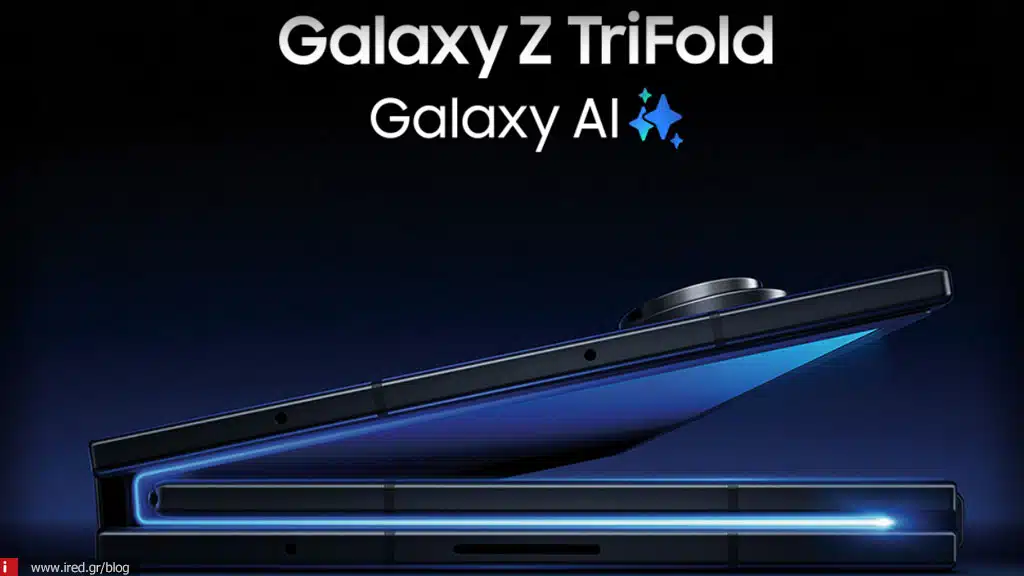
Read also: Samsung Galaxy AI: New era in mobile usage