




































How much has the iPhone camera changed over the years?
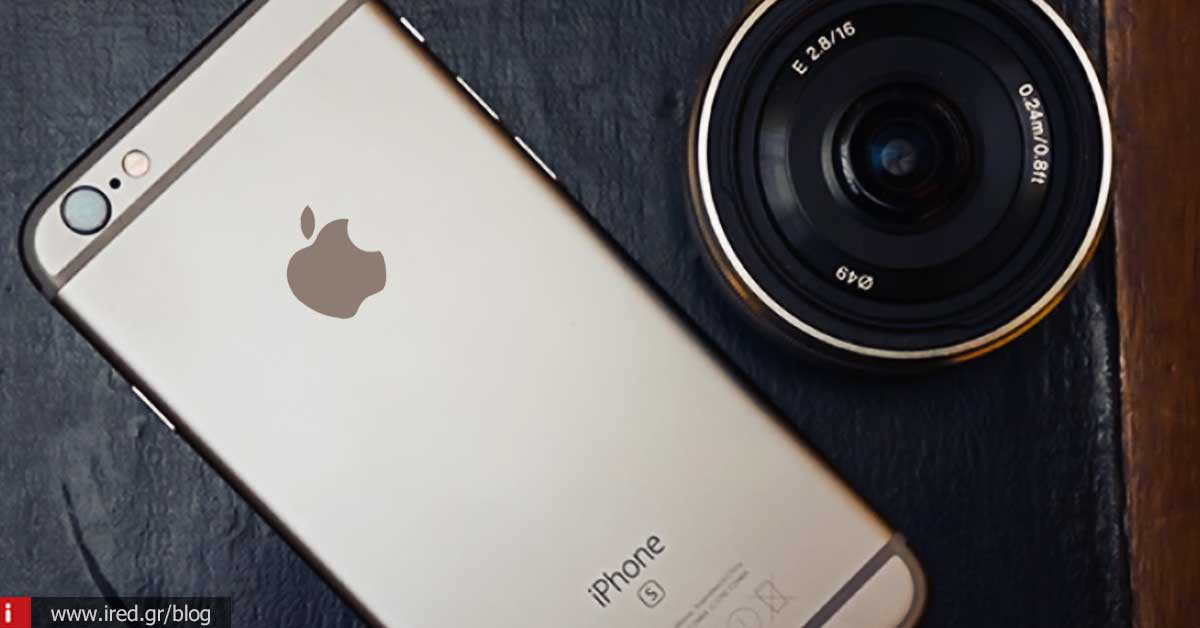
For the past eight years, every new iPhone device has come with a technologically improved camera that has completely changed the quality of the image. Both the iPhone 6s and iPhone SE feature the excellent 12-megapixel iSight camera, which is 50% more megapixels than the last four iPhones. Besides, the latest models boast a number of key improvements: autofocus, noise reduction, color separation, etc.
The photos below are from a comparative study done by the photographer and co-founder of Camera+ and Magic Plus, of the original iPhone, iPhone 3G, iPhone 3GS, iPhone 4, iPhone 4s, iPhone 5, iPhone 5s, iPhone 6 and iPhone 6s cameras.
Macro focus


The first comparison is a shot with macro focus on colored pencils to examine the improvement in detail for the new iPhone 6s with 12 MP. The original iPhone and 3G have fixed focus so they can't focus the shot on objects placed too close. The result is blurry and pixel-filled images. Autofocus added to the 3G has slightly improved image quality. There is also a noticeable difference in detail and greater image sharpness in the 5 MP camera on the iPhone 4 and the 8 MP camera on the iPhone 4s. But the details on the edges of the pencils start to show up with the iPhone 5 and 5s, due to the five-element lens that increased the sharpness of the images. The iPhone 6 gives a brighter image, because of the new processing algorithm that adapts to the lighting. The sure winner is of course the iPhone 6s. With the addition of Focus Pixels autofocus technology and improved local tone mapping, it makes the image clearer, with color detail.
Backlit


Next, a backlit photo of a boat in a marina demonstrates the improvements iPhone has made to cope with high contrast and noise reduction lighting situations. The iPhone 3G stands out from older phones with its warm tones and high contrast. The detail and contrast on board gets better with the 5, 5s and 6 but makes a significant improvement in the 6s. The boat looks sharper and you can see more detail of the mountains and clouds behind it. This image quality is very impressive.
macro backlit


The next experiment was a backlit macro image. The quality of the iPhone 4 and 4s was amazing. Of course, the quality gets better with the 5 series and even better with the iPhone 6. The iPhone 6s really shines in this challenge. The image is balanced with the bright sun behind the jelly beans and the details are accurate. And the color separation on the iPhone 6s is unsurpassed.
Daylight


In the first of the two photos in daylight, the differences are in white balance, contrast, colour and sharpness. The original iPhone and iPhone 3G have low contrast and blue tones. The iPhone 3Gs has warm tone and rich color saturation. On iPhone 4s we see a strong white balance. On the last four devices, details are sharper.


In the second case, under cloudy conditions, we see a similar increase in detail. The sharpness in the letters is noticeable. The iPhone 6 shot is warmer and has shadows because the sun came out of the clouds at the time of the photo shoot. The image on the iPhone 6s is very balanced and detailed.
Portrait


One of the major complaints about the iPhone 6 is the appearance of pixels and a reduction in sharpness, particularly in skin tones. Apple seems to have tried to fix this problem with the iPhone 6s. The image looks more vibrant and sharp and the face looks more real. Sharpness is evident across the eye but pixels are still visible, e.g. on the cheeks.
Sunset


Compared to sunset, we can see improvements in contrast, detail and colour accuracy over time. The iPhone 5s has more contrast and vibrancy than even the iPhone 6. With the iPhone 6s there is a return to high saturation. There's more resolution but again, there's no shortage of pixels.
Low light


We have seen the greatest improvements in low light conditions over the years. The original iPhone, 3G, 3Gs and iPhone 4 all had an f/2.8 aperture. Apple added a sensor on the back of the iPhone 4, which improved quality over previous versions. Greater improvement occurred on the iPhone 4s and 5 with the wider f/2.4 aperture and an add-on for low light from ISO 800 to 3200. The image on the iPhone 6 looks better than the iPhone 6s but the latter has more contrast, detail and less noise.
Low light Sunrise


Larger iPhones show small details in clouds and water. There's also an increase in shadow detail on iPhone 6s from previous versions.
From mirelen.